
 TR
TR
 ENG
ENG
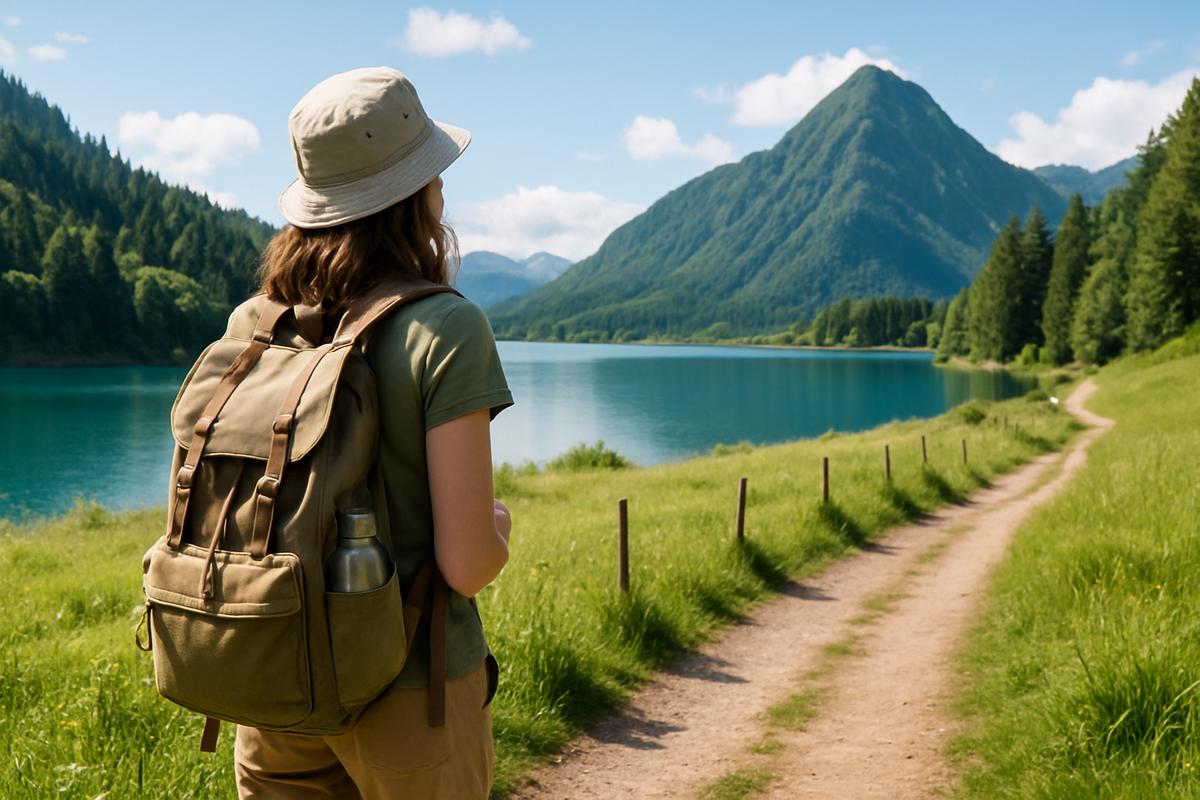
Sustainable Ways to Explore Ecotourism in 2026
Sustainable Tourism and the Future of Ecotourism
In 2026, ecotourism goes beyond the mission of environmental protection, aiming to establish deeper interactions with local communities and offer unforgettable experiences. This will be made possible by sustainable tourism gaining a new dimension and travelers making meaningful contributions to societies while exploring natural beauties. Ecotourism aims not only to protect nature but also to provide positive impacts on local economies and cultures. In this article, we will examine the future role of ecotourism and the ways to carry this concept even further in 2026.
Compared to traditional tourism, ecotourism aims to minimize environmental impacts and contribute to the protection of natural areas by implementing sustainable practices in these locations. This approach encourages not only the conservation of nature but also the preservation of local cultures and traditions. Ecotourism represents a travel philosophy that allows visitors to act in harmony with nature and minimize the footprint they leave behind.
Definition and Importance of Ecotourism
Ecotourism is a form of tourism that aims to support local cultures while leaving a minimum impact on the natural areas traveled. This type of tourism not only increases environmental awareness but also offers travelers the opportunity to interact with different ways of life and cultures around the world. Working with local guides, choosing eco-friendly accommodation options, and engaging in sustainable activities are the main components that make up ecotourism.
Ecotourism will encounter an increasing interest in 2026, and the sustainability approach will continue to appeal to wider audiences. Thanks to this type of travel, individuals can take conscious steps toward the protection of both nature and local communities. This conscious approach contributes to both supporting local economies and preserving cultural heritage.
Adopting Sustainable Ecotourism
Travelers who want to build a sustainable future while getting lost among natural beauties should adopt today's ecotourism practices. To develop the practical dimension of ecotourism, various strategies should be adopted. This process aims not only to respect nature but also to make these travels a socio-economic gain.
Ecotourism encourages individuals to travel more carefully and advises travelers to continuously evaluate their impact on communities. These methods not only increase environmental awareness but also enhance the collective impact of these individuals by raising more conscious tourists.
1. Meaningful Interactions with Local Communities
When traveling to local regions, it is important to be intertwined with the culture and traditions of the area. This is one of the most effective ways to make your trip meaningful. Visits made in the company of local guides offer not just a tourist visit, but also an in-depth cultural learning experience.
During travel, listening to the stories of the local people and understanding their lifestyle increases the contributions of travelers to the sustainable tourism movement. For example, tours conducted in the mountain villages of Guatemala can offer a deeper tourist experience by allowing you to understand local traditions. Such interactions can be educational and gainful not only for travelers but also for the local people.
These interactions can also increase the quality of life of local people by contributing directly to local economies. For instance, with examples like handicraft markets organized in the Gujarat region of India or agricultural tours conducted in rural parts of Africa, visitors can take on a supportive role rather than just being a consumer.
2. Eco-Friendly Accommodation Options
- Boutique hotels and eco-resorts: Businesses constructed with energy efficiency in mind and running their operations according to sustainability principles try to minimize environmental impact by using renewable energy sources. Products procured from local producers are common for these accommodation types and support the local economy.
- Nature-sensitive camp sites: Aim to increase environmental awareness and teach ways to protect natural resources to their visitors by offering a nature-respecting camping experience. Such camp sites generally include structures integrated into nature with a minimum level of human impact.
- Green buildings and eco-villages: Structures built with eco-friendly materials and utilizing natural energy sources aim to give minimum harm to the environment while offering modern comfort to visitors. Structures like Feynan Ecolodge in Jordan stand as a perfect example of this concept.
3. Environmentally Respectful Activities
At the heart of ecotourism lies the preference for activities that can be carried out in harmony with nature. Thanks to activities like nature walks, bird watching, and bicycle tours, you can minimize your environmental impact while enjoying nature at the maximum level. While allowing you to experience nature, these activities also enrich your learning process regarding nature.
For example, boat/procession tours in Sweden or diving adventures made in Australia's famous Great Barrier Reef contribute to the protection of ecosystems while offering a sustainable nature experience. Furthermore, since such activities are often carried out in the company of local guides, they allow you to engage in deeper interactions with local people.
Such activities carry both an educational value and contribute to your mental and physical health. While helping you establish deeper bonds with nature, these experiences offered by ecotourism also encourage human development.
4. Sustainable Transportation Methods
Some of the effective methods to reduce your carbon footprint during travel are renting a bicycle, using public transportation vehicles, or preferring electric vehicles. These transportation methods minimize the impact on the environment and also contribute directly to local economies. Especially in big cities, as the accessibility of bicycle paths and electric vehicle charging stations increases, sustainable transportation options also become attractive.
For example, many cities in Europe have launched programs that encourage sustainable transportation and have popularized bicycle rental systems. Cities like Amsterdam, Copenhagen, and Barcelona lead the way in this regard with transportation infrastructures developed with ecological concerns in mind. Additionally, efficient public transportation systems like high-speed trains in Japan offer comfortable and fast travel opportunities while reducing environmental impacts.
These innovative transportation methods not only offer eco-friendly options to travelers but also increase the quality of life of the local people. Adopting sustainable methods in transportation is an important step on the way to adopting environmental practices on a global scale.
5. Assistant Services and Travel Planning
Using a personal assistant service, virtual assistant service, or concierge service during travel can make your trip more organized and sustainable. You can optimize your travel plans with professional assistant support, following up on your appointments and meetings more effectively. Today, many travelers make their trips more sustainable and efficient thanks to reliable assistant services.
Personal assistants can make recommendations about the most suitable ecotourism activities, eco-friendly accommodation options, and sustainable transportations according to the travel route you choose. For instance, the choice of a travel planning assistant and an assistant for daily tasks offers a personalized experience based on the traveler's needs.
These services not only save time but also facilitate making environmentally conscious decisions during travels. With the insights provided by professional assistants, you can increase the impact of your tourist experiences and act with environmental awareness. Although assistant service prices vary depending on the scope and detail of the services provided, it can be evaluated as an important investment when the contributions it provides are considered.
Conclusion: The Tourism of the Future Will Be Sustainable
In 2026 and beyond, ecotourism will hold a steadily growing importance for all travelers. Thanks to ecotourism, travelers will adopt the nature-respecting tourism philosophy more by considering their environmental and social responsibilities while traveling. The answers to the questions of what is a personal assistant and what is a virtual assistant stand before us as instruments supporting this new tourism philosophy.
This new tourism philosophy will allow us to adopt a more sustainable lifestyle for both today's and tomorrow's world. Ecotourism will continue to grow with the purpose of leaving a healthier world to future generations by protecting the balance between nature and human beings. While taking decisions that will minimize their environmental impacts in this process, travelers can benefit from personal assistant services and technological innovations. It is possible for you to become an environmentally conscious traveler by joining this sustainable tourism movement as well: you can support this movement by adding environmentally sensitive services and activities to your travel plans.
In conclusion, you are invited to travel in harmony with nature and become a part of sustainable tourism. This call to action aimed at travelers carries not only the goal of protecting the environment but also supports the hope for a better life regarding the future. Remember, the responsibility to protect our planet belongs to all of us.
FAQ (Frequently Asked Questions)
What is a personal assistant service?
A personal assistant service is a professional support service that organizes individuals' daily work, does travel planning, and meets special needs. Local options like Istanbul personal assistant services are also available.
What is a virtual assistant and what do they do?
A virtual assistant is a type of assistant that mostly works remotely, providing customer support services using digital tools. They help users organize their work with tasks like appointment tracking assistantship and meeting planning assistantship.
What is an assistant service and what does it do?
An assistant service helps organize personal and professional tasks. It covers travel planning, meeting organization, and other logistical support services. Online assistant services make such services more accessible.
How does a travel planning assistant work?
A travel planning assistant arranges your travel itinerary in the most optimal way, suggests the most eco-friendly transportation and accommodation options, and makes reservations for your activities. Thanks to professional assistant support, you can make more efficient and sustainable plans.